Sports Physio SA’ How to Choose the Right Sports Physiotherapist in Adelaide for Injury Recovery and Peak Performance

sports physio SA

Sports Physio SA’ How to Choose the Right Sports Physiotherapist in Adelaide for Injury Recovery and Peak Performance

Finding the right rehabilitation specialist can make a major difference in how quickly and safely you return to activity after an injury. Whether you are a weekend runner, a competitive athlete, or someone managing a recurring strain, the quality of care you receive matters. Many people searching for sports physio SA are looking for trusted, results-driven treatment options in Adelaide that go beyond basic pain relief and focus on long-term performance and injury prevention.

In Adelaide, sports and recreational participation are high, which means demand for specialised physiotherapy services continues to grow. Choosing the right practitioner is not just about convenience—it is about expertise, treatment approach, and the ability to tailor rehabilitation to your specific goals.

What Sports Physiotherapy Actually Involves

Sports physiotherapy focuses on the prevention, diagnosis, treatment, and rehabilitation of injuries related to physical activity. Unlike general physiotherapy, it often incorporates performance optimisation strategies alongside recovery.

A qualified sports physio typically assesses movement patterns, muscle imbalances, and biomechanics to identify the root cause of injury. Treatment may include manual therapy, exercise prescription, taping, strength conditioning, and return-to-sport planning.

When people search for sports physio SA, they are often looking for clinics that understand both acute injuries (such as sprains or tears) and chronic overuse issues (such as tendonitis or stress injuries).

Why Adelaide Athletes Benefit from Sports Physio Services

Adelaide’s active lifestyle—from football leagues to coastal running tracks—creates high demand for support for physical performance. Sports injuries can range from minor strains to complex ligament damage, and improper recovery can lead to recurring issues.

Working with a skilled physiotherapist helps ensure that rehabilitation is structured and progressive. This reduces downtime and improves long-term physical resilience. For athletes in particular, sports physiotherapy also focuses on returning to play safely without risking reinjury.

Many residents seeking sports physio SA are surprised to learn that treatment is not only for elite athletes. Office workers, gym-goers, and older adults also benefit from targeted rehabilitation programs designed to improve mobility and reduce pain.

How to Choose the Right Sports Physio in Adelaide

Selecting the right practitioner requires more than a quick online search. Consider the following key factors:

1. Qualifications and Experience

Look for physiotherapists with postgraduate training in sports or musculoskeletal physiotherapy. Experience working with athletes or active populations is a strong indicator of expertise.

2. Individualised Treatment Approach

Avoid clinics that rely on generic programs. Effective rehabilitation should be tailored to your injury, lifestyle, and performance goals.

3. Facilities and Equipment

Modern clinics in Adelaide often offer strength-training equipment, rehabilitation gyms, and movement-analysis tools that enhance recovery outcomes.

4. Communication and Education

A good physiotherapist will explain your injury clearly and guide you through each stage of recovery. Education is a key part of preventing recurrence.

People researching sports physio SA should prioritise clinics that combine hands-on treatment with active rehabilitation strategies.

Common Sports Injuries Treated in Adelaide Clinics

Sports physiotherapists regularly manage a wide range of conditions, including:

● Ankle sprains and instability

● Knee injuries, such as ACL or meniscus issues

● Hamstring and quadriceps strains

● Shoulder impingement or rotator cuff injuries

● Lower back pain related to sport or training load

These injuries are often caused by sudden movements, poor conditioning, or overtraining. A structured rehabilitation plan helps restore strength, flexibility, and coordination.

At this stage of recovery, sports physio SA services typically emphasise controlled exercise progression to ensure tissues heal correctly while maintaining fitness levels.

What to Expect During Treatment

Your first appointment usually involves a detailed assessment, including medical history, movement testing, and, if applicable, functional screening. From there, a personalised treatment plan is created.

Treatment may involve:

● Manual therapy to reduce pain and stiffness

● Guided exercise programs to rebuild strength

● Balance and coordination training

● Load management advice for returning to sport

Progress is regularly reviewed to ensure safe improvement. In Adelaide clinics, rehabilitation often bridges the gap between clinical recovery and full return to sport performance.

Understanding this process helps patients feel more confident and engaged in their recovery journey with sports physio SA professionals.

The Role of Prevention in Long-Term Performance

One of the most overlooked aspects of physiotherapy is injury prevention. Rather than waiting for pain or injury, many athletes now use physio services proactively.

Preventative programs may include:

● Movement screening

● Strength and conditioning plans

● Flexibility and mobility training

● Load monitoring for training intensity

This proactive approach reduces injury risk and enhances athletic performance over time. In Adelaide’s active sports community, prevention is becoming just as important as treatment.

Final Thoughts

Choosing the right physiotherapist can significantly influence recovery speed, injury recurrence, and overall performance. Adelaide offers a range of skilled professionals, but selecting one with the right experience and approach is essential.

For anyone searching for reliable rehabilitation and performance support, understanding what to look for in a clinic makes all the difference. Whether recovering from an injury or aiming to improve athletic performance, the right guidance helps you stay active, strong, and resilient.

Ultimately, the goal of sports physio SA is not just to treat injury—but to help you move better, perform better, and reduce future risk so you can continue doing what you enjoy with confidence.

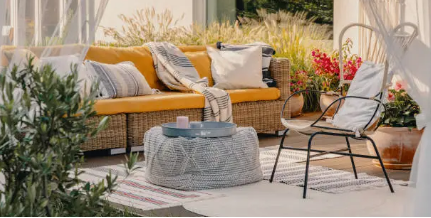
outdoor table and chairs NZ

Outdoor Table and Chairs NZ’ How to Choose Durable & Stylish Sets for Auckland Homes

Whether you’re furnishing a compact balcony in the city or a spacious backyard in the suburbs, selecting the right outdoor set ensures long-term durability and comfort. When searching for the best outdoor table and chairs NZ, Auckland homeowners need more than just aesthetics—they need furniture that can handle coastal winds, humidity, and strong UV exposure. This guide explores how to choose outdoor furniture tailored specifically to Auckland’s unique environmental conditions while maintaining modern design appeal.

Understanding Auckland’s Climate Challenges

Auckland’s climate plays a major role in determining the lifespan of your outdoor furniture. With its coastal location, the city experiences high humidity, salt-laden air, and frequent rain showers. These factors can accelerate corrosion, fading, and wear if materials are not carefully selected.

When investing in outdoor table and chairs in NZ, it’s essential to prioritise materials that resist rust, mould, and UV damage. Ignoring these considerations often leads to premature replacements and higher long-term costs.

Best Materials for Outdoor Furniture

Choosing the right material is the foundation of a durable outdoor setup. Here are the top options suited for Auckland conditions:

1. Teak Wood

Teak is a premium hardwood known for its natural oils that resist moisture and pests. It weathers beautifully over time, developing a silver-grey patina while maintaining structural integrity.

2. Aluminum

Lightweight yet strong, powder-coated aluminium is rust-resistant and ideal for coastal environments. It’s also easy to move, making it perfect for flexible outdoor layouts.

3. Synthetic Rattan (PE Rattan)

Unlike natural rattan, synthetic variants are UV-resistant and waterproof. They offer a stylish woven look without the maintenance challenges.

4. Stainless Steel

For a modern aesthetic, stainless steel provides excellent durability. However, ensure it is marine-grade to prevent corrosion in salty air.

Selecting the right material ensures your outdoor table and chairs NZ investment withstands Auckland’s unpredictable weather.

Choosing the Right Size and Layout

Before purchasing, carefully evaluate your outdoor space. Auckland homes vary widely—from compact urban patios to expansive decks.

● Small spaces: Opt for foldable or stackable sets to maximise functionality.

● Medium spaces: A 4–6 seater dining set balances comfort and space efficiency.

● Large areas: Consider modular or extendable tables for entertaining guests.

Proper sizing ensures your outdoor table and chairs NZ setup enhances usability without overcrowding your space.

Comfort and Ergonomics Matter

While durability is crucial, comfort should not be overlooked. Look for chairs with ergonomic back support and consider adding weather-resistant cushions.

Quick-dry foam and removable covers are ideal for Auckland’s damp conditions. Neutral tones and UV-resistant fabric help maintain appearance even with prolonged sun exposure.

A comfortable seating arrangement encourages more frequent outdoor use, turning your patio into a functional living space.

Style Trends in Auckland

Outdoor furniture trends in Auckland lean toward clean lines and natural tones. Popular styles include:

● Scandinavian-inspired designs: Minimalist with light wood finishes

● Modern coastal: White, grey, and blue palettes reflecting seaside living

● Industrial chic: Metal frames combined with timber surfaces

When selecting outdoor table and chairs NZ, aim for a style that complements your home’s architecture and landscaping for a cohesive look.

Maintenance Tips for Longevity

Even the best materials require proper care. Follow these maintenance tips to extend the life of your outdoor furniture:

● Clean surfaces regularly with mild soap and water

● Use protective covers during heavy rain or when not in use

● Store cushions indoors to prevent mould growth

● Apply protective oils or sealants for wooden furniture annually

Routine maintenance ensures your outdoor table and chairs NZ remain in top condition year-round.

Budget vs. Long-Term Value

While budget-friendly options may seem appealing, investing in high-quality furniture often proves more cost-effective in the long run. Cheaper materials may degrade quickly under Auckland’s conditions, leading to frequent replacements.

Consider your purchase as a long-term investment. Durable materials, reputable brands, and warranties provide better value and peace of mind.

Where to Buy in Auckland

Auckland offers a wide range of retailers specialising in outdoor furniture, from large home improvement stores to boutique design shops. When shopping, look for:

● Weather-resistant certifications

● Warranty coverage

● Customer reviews specific to NZ conditions

Testing furniture in-store can also help you assess comfort and build quality before committing.

Final Thoughts

Selecting the right outdoor furniture requires balancing durability, comfort, and style. In Auckland’s coastal climate, material choice and maintenance are critical to ensuring longevity. By investing in high-quality outdoor table and chairs NZ, you can create an inviting outdoor space that withstands the elements while enhancing your home’s overall aesthetic.

Whether you’re hosting weekend barbecues or enjoying quiet evenings outdoors, the right furniture transforms your space into a functional and stylish extension of your home.

stockinette bags

Stockinette Bags’ The Packaging Mistake That Can Make Fresh Produce Look Older Before It Actually Is

A perfectly fresh piece of produce can lose its appeal before it loses its freshness. Imagine a shipment of delicate Australian fruit arriving at a retailer with no serious spoilage—but bruised surfaces, scuffed skin and a tired appearance. The produce is technically good, yet customers walk past it because it looks old.

This is where stockinette bags can play an unexpected role in the fresh-produce supply chain. Packaging is often treated as a simple container, but for delicate products, the right material can determine how well goods survive handling, transportation, and display. For Australian growers, wholesalers, exporters, and retailers, the difference between produce that looks fresh and that which looks past its best can have a direct commercial impact.

The surprising lesson is that packaging does not simply protect freshness. It can also protect the appearance of freshness.

The Produce May Be Fresh—But Customers Don’t Know That

Fresh produce is judged visually within seconds. A shopper picking up an apple, a pear, an avocado, or another delicate item is unlikely to know how carefully it was handled throughout the supply chain. They respond to what they can see.

That creates a challenge for Australian businesses moving produce across long distances, from regional growing areas to major urban markets such as Sydney, Melbourne, Brisbane, Perth and Adelaide.

A product can therefore be biologically fresh while being commercially compromised.

This is particularly important in Australia’s geographically dispersed food supply chain. A product travelling from a regional farm to a metropolitan distribution centre may experience repeated loading, unloading and movement before reaching a supermarket or specialty retailer.

Every handling stage introduces another opportunity for impact or abrasion.

The packaging decision made at the beginning of that journey can therefore influence what the customer sees at the very end.

The Hidden Cost of Treating Packaging as an Afterthought

When businesses select a packaging solution, the focus often falls on price, capacity and convenience. Those factors matter, but the cheapest packaging option isn’t necessarily the most economical when you include the cost of product presentation.

Stockinette bags can offer a useful approach for certain produce applications where cushioning, flexible containment and ventilation are important considerations.

The key point is to select packaging based on the product’s vulnerabilities.

A delicate item highly susceptible to bruising may need a different approach than a robust product that can tolerate rougher handling. Likewise, produce requiring airflow should not automatically be treated the same way as goods where containment is the primary concern.

For Australian producers, this becomes a supply-chain calculation. If slightly more protective packaging reduces damage, improves presentation and lowers the number of products downgraded or rejected, its value may extend far beyond the packaging unit’s purchase price.

The “Freshness Signal” Starts Before the Supermarket Shelf

Freshness is partly a physical condition and partly a visual signal.

A customer may not be able to distinguish between produce that is two days old and produce that is five days old simply by looking at it. Instead, they use visual cues: colour, texture, surface condition and overall appearance.

Packaging can influence those cues.

● Protective presentation can preserve perceived quality: Products that arrive with fewer visible marks are more likely to appear recently handled.

● Consistent presentation can strengthen brand perception: A grower or distributor delivering consistently attractive products can build greater confidence with retail buyers.

● Reduced damage can improve usable yield: Fewer damaged items may mean less sorting, trimming, discounting or disposal.

This is where stockinette bags become interesting from both a marketing and a logistics perspective. The packaging itself doesn’t create freshness, but it can help preserve some of the visual qualities customers associate with it.

For Australian businesses selling premium or high-value produce, this distinction can matter commercially. A product competing for attention in a busy supermarket display has only a short window to make a positive impression.

If the packaging helps the product arrive in better condition, the business may have a better chance of making a better first impression.

Of course, packaging is only one part of the equation. Temperature control, humidity, harvest timing, transport conditions and proper handling all influence produce quality. No packaging solution can compensate for poor cold-chain management or inappropriate storage.

But eliminating one source of avoidable damage can still make a meaningful difference.

A Better Packaging Decision Starts With the Journey

Instead of asking, “What is the cheapest way to package this product?” Australian produce businesses should ask a more useful question: “What happens to this product between harvest and purchase?”

That question changes the entire packaging conversation.

● Map the handling journey: Identify every point where products are packed, stacked, transported, unloaded or displayed.

● Identify the damage points: Look for recurring bruising, abrasions, compression, or presentation problems, and determine where they occur.

● Measure commercial impact: Track rejected products, downgraded stock, markdowns and customer complaints to understand the true cost of inadequate protection.

A packaging change should ideally be based on evidence, not assumptions. If a particular product repeatedly arrives at retailers with cosmetic damage, businesses can investigate whether packaging, palletisation or handling procedures are contributing to the problem.

The solution may be as simple as changing the packaging format or adding an appropriate protective layer. In other cases, the real issue may be how products are stacked or transported.

This is why stockinette bags should not be viewed as a universal solution for all types of fresh produce. Their suitability depends on the product, supply chain, storage environment, and intended application. The goal is to match packaging performance with the specific risks the product faces.

Conclusion: Protect the Product Your Customer Actually Sees

The uncomfortable truth for fresh-produce businesses is that customers cannot see how fresh a product was when it left the farm. They only see what arrives in front of them.

That means every bruise, scuff, and damaged surface can undermine the value of the work done long before the product reaches the retail shelf.

The right packaging will not make produce fresher than it is. But it can help ensure that genuinely fresh produce still looks fresh when customers finally have the chance to buy it.

And in a market where appearance can determine whether a shopper picks up your product or walks past it, that distinction may be worth far more than the bag’s cost.

arborist Adelaide Hills

Arborist Adelaide Hills’ Emergency Tree Removal, Pruning & Storm Damage Response Guide for Adelaide Hills Property Owners

A qualified arborist provides more than just tree cutting. They assess structural stability, diagnose disease, manage root systems, and ensure compliance with local council regulations. In the Adelaide Hills, where properties often sit close to bushland, this expertise is essential for reducing hazards such as falling limbs, bushfire risk, and property damage.

If you’re searching for arborist, you’re likely dealing with urgent tree concerns such as storm damage, overgrown branches, or safety risks near your home or business in the Adelaide Hills region. The terrain, dense native vegetation, and seasonal high winds in this area create unique challenges that require specialised arboricultural knowledge rather than general gardening services.

This guide explores how professional arborists operate in the region, what services matter most, and how to choose the right specialist for your property.

Storm Damage Response and Emergency Tree Services

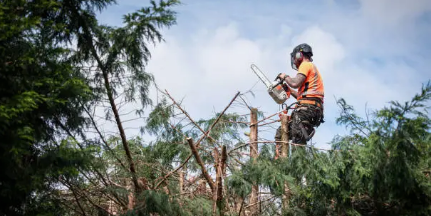
Severe weather is one of the biggest reasons homeowners contact an arborist Adelaide Hills. High winds, saturated soil, and aging eucalyptus trees can quickly turn a healthy-looking tree into a serious hazard.

Emergency arborist services typically include a rapid site assessment, safe limb or trunk removal, and risk containment around structures, driveways, and power lines. In many cases, arborists must coordinate with utility providers to ensure electrical safety before work begins.

In the Adelaide Hills environment, storm response also involves understanding soil instability. After heavy rain, root systems may loosen, making partially damaged trees unpredictable. A trained arborist will determine whether a tree can be saved through cabling and bracing or whether full removal is necessary.

Homeowners benefit most from proactive inspections before storm season, as preventive measures are significantly more cost-effective than emergency removal.

Tree Health, Pruning, and Long-Term Maintenance

Beyond emergencies, an arborist Adelaide Hills plays a critical role in maintaining tree health across residential and rural properties. Proper pruning is not simply about appearance—it influences airflow, light penetration, and structural integrity.

Inconsistent or incorrect pruning can lead to long-term issues such as decay, weak regrowth, and increased susceptibility to pests. Professional arborists use techniques like crown thinning, selective limb reduction, and formative pruning to guide healthy development.

In regions like the Adelaide Hills, native species such as gum trees and wattles require species-specific care strategies. An experienced arborist understands how these trees respond to seasonal stress, drought cycles, and soil conditions unique to the region.

Regular maintenance also helps reduce fire hazards by removing deadwood and lowering canopy density, an important consideration for rural and semi-rural properties.

Risk Assessment and Property Safety Planning

Property safety is one of the most overlooked aspects of tree management. A qualified arborist Adelaide Hills will conduct detailed risk assessments that evaluate tree proximity to homes, fences, sheds, and roads.

This process involves checking for internal decay, root plate movement, fungal infections, and canopy imbalance. Many risks are not visible to untrained observers, especially in mature trees that appear stable externally.

Arborists also provide recommendations for long-term planning, such as staged removal of hazardous trees or strategic planting to replace removed vegetation. This ensures that property aesthetics and environmental value are maintained while reducing future liabilities.

For property developers and landowners in the Adelaide Hills, these assessments are often essential for meeting council requirements before construction or subdivision.

Choosing the Right Arborist in the Adelaide Hills

Selecting the right arborist Adelaide Hills service requires more than comparing prices. Certification, insurance coverage, and local experience are key indicators of quality and reliability.

Look for arborists with recognised qualifications in arboriculture and membership in professional industry bodies. This ensures adherence to safety standards and best practices.

Local experience is especially important in the Adelaide Hills due to the region’s varied terrain and tree species. An arborist familiar with local conditions will provide more accurate risk assessments and more effective long-term care strategies.

It is also important to request a detailed written scope of work that includes waste removal, stump grinding, and safety measures. Transparent communication reduces misunderstandings and ensures the job is completed to standard.

Preventative Care and Seasonal Tree Management

Preventive maintenance is often the most cost-effective approach to tree management. Engaging an arborist Adelaide Hills for seasonal inspections can significantly reduce the likelihood of emergency interventions.

During autumn and winter, arborists typically focus on structural pruning and risk reduction. In spring and summer, attention shifts toward growth management and health monitoring.

Preventative care also includes soil conditioning and mulching strategies to support root health during dry periods. These measures help trees remain stable, healthy, and less prone to storm-related failure.

By scheduling regular assessments, property owners can extend the lifespan of mature trees while maintaining year-round safety standards.

Final Thoughts

Working with a professional arborist Adelaide Hills ensures that trees on your property are managed safely, responsibly, and in line with local environmental conditions. Whether you are dealing with storm damage, routine maintenance, or long-term risk planning, expert arboricultural services provide both immediate solutions and sustainable outcomes.

In a region as environmentally diverse and weather-sensitive as the Adelaide Hills, investing in proper tree care is not just about aesthetics—it is about protecting property, people, and the surrounding landscape for years to come.

can recycling Adelaide

Can Recycling Adelaide’ Smart and Sustainable Methods for Households and Businesses

Recycling has become a major focus for homes and businesses across South Australia, and understanding the best can recycling Adelaide practices can help reduce landfill waste while supporting a cleaner environment. From aluminium drink cans to steel food containers, proper disposal methods make a significant difference in how efficiently recyclable materials are processed in Adelaide.

As sustainability awareness grows, more Adelaide residents are seeking reliable, convenient ways to recycle cans responsibly. Whether you are a homeowner, café owner, office manager, or event organiser, knowing the right recycling methods can improve waste management and even reduce costs over time.

Why Can Recycling Matters in Adelaide

Adelaide has built a strong reputation for environmental responsibility and recycling innovation. Aluminium and steel cans are among the most recyclable materials available because they can be reused repeatedly without losing quality.

When cans are recycled correctly, they avoid ending up in landfills, where they contribute to unnecessary waste accumulation. Recycling also saves energy because manufacturing products from recycled aluminium uses significantly less energy than creating new aluminium from raw materials.

For households and businesses focused on sustainable practices, adopting effective can recycling Adelaide methods supports both environmental goals and community initiatives throughout South Australia.

Common Types of Recyclable Cans

Understanding which cans can be recycled is the first step toward better waste management.

Aluminium Beverage Cans

Soft drink, sparkling water, beer, and energy drink cans are typically made from aluminium. These are highly valuable recyclable materials and are commonly accepted through Adelaide recycling systems.

Steel Food Cans

Soup cans, tuna tins, pet food containers, and vegetable cans are usually made from steel. These can also be recycled after proper rinsing.

Aerosol Cans

Many empty aerosol cans are recyclable, including those for deodorant and cooking spray. However, they must be completely empty before disposal.

Large Commercial Cans

Restaurants and catering businesses often use industrial-sized cans for sauces, oils, and ingredients. These can usually be recycled through commercial waste management services.

Best Can Recycling Methods for Adelaide Homes

Residents across Adelaide have several convenient recycling options available.

Use Your Yellow Recycling Bin Correctly

The yellow kerbside recycling bin remains the simplest option for many households. To maximise recycling efficiency:

● Rinse food and beverage cans before disposal

● Remove excessive food residue

● Avoid placing cans inside plastic bags

● Flatten cans if possible to save space

Correct sorting improves processing efficiency and reduces contamination in Adelaide recycling facilities.

Participate in Container Deposit Programs

South Australia’s container deposit scheme encourages residents to return eligible drink containers for refunds. This method not only promotes recycling but also provides a financial incentive.

Many Adelaide residents collect cans separately and return them to approved depots. This remains one of the most effective strategies for can recycling in Adelaide because it ensures high recovery rates for aluminium containers.

Create a Dedicated Recycling Station at Home

Organising a small recycling area in your kitchen, garage, or outdoor space can improve household participation. Clearly labelled bins make it easier for family members to separate recyclable cans from general waste.

Commercial Can Recycling Solutions in Adelaide

Businesses often generate larger volumes of recyclable materials than households. Restaurants, cafés, offices, schools, and hospitality venues can benefit from structured recycling programs.

Scheduled Recycling Collection Services

Commercial recycling providers in Adelaide offer scheduled pickups for businesses with consistent waste output. This is especially useful for hospitality businesses that handle large volumes of drink cans and food containers.

Waste Audits and Recycling Plans

Professional recycling companies can assess waste streams and recommend more efficient recycling systems. Businesses that implement structured recycling programs often improve operational efficiency and sustainability reporting.

Staff Education and Signage

Clear signage near the bins helps employees correctly separate recyclable cans. Staff awareness programs also reduce contamination and increase recycling success rates.

For companies seeking environmentally responsible branding, investing in effective can recycling Adelaide programs can strengthen customer trust and public image.

Mistakes to Avoid When Recycling Cans

Even with good intentions, certain mistakes can reduce recycling efficiency.

Placing Dirty Cans in Recycling Bins

Food contamination can affect other recyclable materials. Always rinse cans before disposal.

Mixing General Waste with Recycling

Non-recyclable items placed in recycling bins can disrupt sorting systems and increase processing costs.

Forgetting About Aerosol Safety

Aerosol cans must be empty before recycling. Partially full cans may require specialised disposal methods.

Using Plastic Bags in Recycling Bins

Loose recyclable items are easier for sorting facilities to process. Avoid bagging cans inside recycling containers.

Environmental Benefits of Can Recycling

The environmental impact of recycling cans extends beyond landfill reduction.

Reduced Energy Consumption

Recycling aluminium uses substantially less energy than producing new metal from raw ore.

Lower Greenhouse Gas Emissions

Manufacturing products from recycled materials reduces industrial emissions associated with mining and production.

Conservation of Natural Resources

Recycling minimises the need for raw material extraction, helping preserve ecosystems and natural landscapes.

Cleaner Adelaide Communities

Improved recycling habits contribute to cleaner streets, parks, and public spaces throughout Adelaide suburbs.

Future Trends in Adelaide Recycling

Adelaide continues investing in sustainable waste management infrastructure and public education programs. Innovations in sorting technology and circular economy initiatives are helping improve recycling efficiency across South Australia.

Many businesses are now adopting zero-waste goals and integrating advanced recycling systems into daily operations. As consumer expectations shift toward sustainability, recycling participation is expected to increase further.

The future of can recycling Adelaide initiatives will likely include smarter waste tracking systems, expanded collection programs, and greater public awareness campaigns designed to encourage long-term environmental responsibility.

Final Thoughts

Effective recycling methods can play an important role in Adelaide’s sustainability efforts. Whether through kerbside recycling, container deposit programs, or commercial waste management services, every properly recycled item can contribute to a cleaner and more resource-efficient future.

By understanding proper recycling practices and avoiding common mistakes, Adelaide households and businesses can improve waste reduction efforts and support environmental conservation across South Australia.

school shoes

School Shoes’ Durable Leather School Shoes in New Zealand

Choosing the right school shoes for children in New Zealand goes beyond style and uniform compliance. With busy school days, playground activities, and long walks to and from school, durability is key. Durable leather school shoes provide a reliable solution, offering long-lasting wear, comfort, and foot support that can withstand daily demands. Parents across New Zealand increasingly prioritise leather school shoes for their resilience and practicality, making them a smart investment in children’s footwear.

Why Leather School Shoes Are a Smart Choice

Leather school shoes have long been a staple in Kiwi school uniforms due to their durability and classic appearance. Unlike synthetic materials, quality leather moulds to the shape of the foot over time, offering natural support and improved comfort. For parents seeking school shoes that can withstand repeated wear, scuffing, and the occasional muddy playground, leather is an ideal choice.

Features to Look for in Durable Leather School Shoes

When shopping for leather school shoes in New Zealand, there are several key features to consider:

Full-grain leather: The highest-quality leather type offers maximum durability and resistance to wear.

Reinforced stitching: Look for shoes with double or triple stitching around high-stress areas, such as the toe and heel.

Supportive soles: EVA or rubber soles with cushioning protect children’s feet and provide grip on wet or slippery surfaces common in New Zealand’s rainy climate.

Comfortable lining: Soft leather or textile lining reduces friction and prevents blisters.

Adjustable closures: Velcro straps or laces provide a secure fit, accommodating growing feet and ensuring stability.

These features combine to create school shoes that remain functional and comfortable for an entire school year, even for active children.

Popular Styles of Leather School Shoes in New Zealand

New Zealand schools often have strict uniform policies, and parents need school shoes that meet both durability and style requirements. Some popular leather styles include:

Mary Janes: Classic and versatile, ideal for girls in primary schools.

Oxford shoes: A formal option that is widely accepted in both primary and secondary schools.

Lace-up leather shoes: Provide superior support and can be worn by both boys and girls.

Slip-on loafers: Quick to put on, with a professional appearance, suitable for everyday wear.

These styles are designed to combine functionality with uniform compliance, making them the go-to choices for Kiwi families.

Caring for Leather School Shoes

Even the most durable leather school shoes require proper care to maximise longevity. Parents in New Zealand can follow these tips:

Regular cleaning: Wipe off dirt and mud after each school day to prevent staining.

Polishing: Use a neutral or matching leather polish to maintain the shoe’s finish and protect against water damage.

Waterproofing: Apply a leather-friendly waterproofing spray, especially during the wet winter months in Auckland, Wellington, or Christchurch.

Rotating shoes: Alternate between two pairs to allow leather to breathe and maintain shape.

Consistent care ensures that leather school shoes remain attractive, supportive, and long-lasting.

Where to Buy Durable Leather School Shoes in New Zealand

Several trusted retailers across New Zealand specialise in durable leather school shoes. Popular options include nationwide stores like The Warehouse and Postie Plus, as well as online footwear shops that specialise in school footwear. Local shoemakers in cities like Auckland, Wellington, and Christchurch also offer handcrafted options that combine traditional leather craftsmanship with modern comfort technology.

Many of these retailers provide sizing guides tailored to New Zealand children’s feet, ensuring the best fit for optimal support. Shopping early in the school year is recommended, as quality leather school shoes can sell out quickly, particularly in regions with high school enrollment.

The Benefits of Investing in Quality Leather School Shoes

Durable leather school shoes offer more than just appearance; they contribute to children’s overall foot health and daily comfort. Investing in quality leather shoes reduces the likelihood of foot pain, blisters, or long-term posture issues. They also withstand New Zealand’s varied climate, from wet winters to warm summer days, without losing structure or support.

For parents seeking a practical and long-term solution, leather school shoes offer a combination of resilience, style, and foot care. These shoes not only meet school uniform requirements but also give children the confidence to stay active throughout the school day.

Conclusion

Selecting the right shoes in New Zealand requires balancing durability, comfort, and style. Durable leather school shoes remain the top choice for parents seeking footwear that can withstand daily wear, support growing feet, and comply with school regulations. By investing in high-quality leather, choosing the right style, and practising proper care, Kiwi families can ensure their children have reliable school shoes for every school year.

Leather school shoes are more than a uniform requirement—they are a foundation for healthy, comfortable, and confident steps through childhood education.

mens shoes

Mens Shoes — Best Men’s Shoes in New Zealand for Everyday Wear

Choosing the right pair of mens shoes for everyday wear in New Zealand means balancing comfort, durability, and a style that fits the Kiwi lifestyle. With the country’s diverse mix of urban environments, relaxed coastal towns, and varied weather, Kiwi shoppers seek footwear that can handle everything from daily commutes to weekend outings. This guide explores the most popular mens shoes preferred across New Zealand, highlighting well-loved styles and NZ-relevant brands known for quality and long-lasting performance.

Why Comfort and Durability Matter to Kiwi Shoppers

New Zealanders are practical shoppers. Many prefer shoes that can move seamlessly between work, errands, and casual weekend plans. Because the climate shifts quickly — especially in cities like Wellington and Dunedin — durability and weather resistance are essential factors. Kiwi men often look for breathable materials for summer, water-resistant options for winter, and cushioning that supports long walks in both urban and suburban settings.

Everyday footwear in New Zealand must also withstand frequent use. Many men wear the same pair daily, so construction quality, sole support, and long-term comfort are top priorities. Local brands and retailers have embraced this preference by offering durable, stylish, and versatile designs that perform well year-round.

Popular Everyday Styles Among New Zealand Men

Everyday Sneakers

Sneakers top the list of everyday mens shoes in New Zealand. Lightweight, versatile sneakers with cushioned soles are popular across all age groups. They pair easily with jeans, shorts, chinos, and even smart-casual work outfits. Breathable fabrics, washable materials, and neutral colours are especially appreciated.

New Zealand shoppers also tend to prefer sneakers that offer both comfort and sustainability. Many opt for styles made from natural fibres, recycled materials, or wool blends that suit the country’s mild climate. Everyday sneakers are go-to choices for men who walk frequently, commute by public transport, or want one shoe that covers workdays and weekends.

Chelsea and Casual Leather Boots

Leather boots — particularly Chelsea boots — have become a Kiwi staple. They offer an ideal mix of durability and sophistication, making them suitable for office settings, nights out, and colder seasons. Chelsea boots remain a favourite because they are easy to slip on and pair well with both tailored and relaxed outfits.

For men with more rugged lifestyles or those living in regions with wetter weather, casual lace-up boots or workwear-inspired designs provide added traction and protection. These boots often include weatherproof finishes, slip-resistant soles, and reinforced stitching, making them dependable year after year.

Smart-Casual Leather Shoes and Loafers

For men who want something slightly dressier without sacrificing comfort, loafers and low-profile leather lace-ups are consistent favourites. These styles work well for offices, social gatherings, and everyday wear in urban centres like Auckland and Wellington.

Smart-casual leather footwear is typically crafted from soft, flexible materials with cushioned insoles. Their versatility makes them ideal for men who dress semi-formally during the week but still want comfortable, durable footwear that suits a range of occasions.

Supportive Sandals and Slip-Ons

During warmer months, supportive sandals and slip-on shoes gain popularity across New Zealand. These shoes offer practicality for beach days, quick errands, and casual outdoor activities. Men typically look for adjustable straps, contoured footbeds, and durable rubber outsoles suitable for walking on sand, pavements, or park trails.

Slip-on shoes, especially those with breathable uppers and cushioned soles, are ideal for men seeking convenience without compromising comfort.

New Zealand-Relevant Brands and Where Kiwis Shop

New Zealand shoppers prefer brands that offer durable construction, high comfort, and reliable customer support. Several NZ-relevant brands and retailers stand out:

Allbirds — Known for sustainable everyday sneakers made from natural materials. Popular for comfort and lightness.

Barkers — A trusted Kiwi menswear retailer offering stylish casual shoes and smart leather options designed to suit New Zealand lifestyles.

Rodd & Gunn — A heritage brand celebrated for quality craftsmanship and timeless leather footwear for everyday wear.

Blundstone — Although originally Australian, Blundstone boots are highly regarded in New Zealand for their durability and year-round practicality.

These brands are common across major NZ cities and online platforms, making them accessible to shoppers nationwide.

How to Choose the Best Everyday Mens Shoes in New Zealand

Prioritise Fit: A proper fit prevents blisters and supports your natural stride. Many NZ stores offer expert fitting services to ensure long-term comfort.

Check Sole Support: Look for cushioned midsoles, shock absorption, and arch support — especially if you walk or stand for long periods.

Choose Weather-Appropriate Materials: Waterproof leather, wool uppers, or quick-dry fabrics best handle New Zealand’s unpredictable weather.

Consider Versatility: Shoes that work for multiple settings save money and reduce wardrobe clutter.

Consider Repairability: Footwear that can be resoled or refreshed often lasts significantly longer than cheaper alternatives.

Final Thoughts

When selecting the best everyday mens shoes in New Zealand, prioritise comfort, durability, and versatility. A reliable sneaker and a sturdy leather boot can take you through most of the year, while sandals and loafers provide seasonal variety. By selecting well-made footwear from trusted NZ-relevant brands, Kiwi men can enjoy long-lasting comfort and style no matter where their day takes them.

If you’d like, I can also tailor recommendations based on your budget, preferred style, or location in New Zealand.

security doors Adelaide

Security Doors Adelaide’ 10 Essential Tips When Shopping for Maximum Home Protection

When it comes to improving home safety, choosing the right security doors Adelaide homeowners can rely on is one of the most important investments you can make. With rising awareness of residential security across South Australia, buyers are often faced with a wide range of materials, standards, and pricing options. The challenge is not just finding a strong security doors, but selecting one that delivers long-term protection, durability, and value for money.

This guide breaks down essential, practical tips to help you make a confident purchasing decision—without overpaying or falling for marketing claims that don’t translate into real security.

1. Understand Australian Security Standards First

Before comparing styles or prices, check whether the door complies with Australian Standard AS5039 (security screen doors and grilles). This certification ensures the product has been tested against forced entry, impact, and corrosion resistance. In Adelaide’s varied climate—hot summers, coastal air, and occasional storms—this baseline is non-negotiable.

2. Choose the Right Material for Durability

Security doors are commonly made from steel, aluminium, or reinforced mesh systems. Steel provides maximum strength but may require more maintenance. Aluminium offers a balance between durability and corrosion resistance, making it ideal for coastal suburbs like Glenelg or Henley Beach. High-tensile mesh systems offer visibility and airflow while maintaining strong resistance to intrusion.

3. Don’t Ignore Locking Mechanisms

A strong frame is only as good as its lock. Look for multi-point locking systems or triple-lock deadbolts. Inferior locks are often the weakest point in otherwise solid doors. In fact, locksmiths often report that forced entry attempts succeed due to lock failure—not frame failure.

4. Prioritise Professional Installation

Even high-quality doors can underperform if poorly installed. Gaps, misalignment, or weak anchoring points can compromise security. Always use licensed installers familiar with Adelaide building standards to ensure a tight, secure fit.

5. Compare Mesh Types Carefully

Not all mesh is created equal. Stainless steel mesh is one of the most secure options, offering resistance to cutting, kicking, and corrosion. Aluminium mesh is lighter and more affordable but less resistant to sustained attack. If safety is your top priority, stainless steel is worth the investment.

6. Balance Visibility and Privacy

One often-overlooked factor in selecting security doors Adelaide homeowners prefer is visibility. You want to see who is outside without compromising your own privacy. Mesh density and screen tinting can influence both outward visibility and inward discretion, so test samples before purchasing.

7. Check Corrosion Resistance Ratings

Adelaide’s coastal and humid conditions can accelerate rust and deterioration. Look for powder-coated finishes and marine-grade materials, especially if you live near the sea. A high corrosion rating significantly extends the lifespan of your security door.

8. Avoid Overpaying for Unnecessary Features

Some doors are marketed with aesthetic add-ons that don’t improve security, such as decorative scrollwork or non-reinforced patterns. While design matters, prioritise structural integrity above all else. A simple, well-built door often outperforms a decorative but weaker alternative.

9. Ask About Warranty and After-Sales Support

A strong warranty reflects the manufacturer’s confidence. Look for a structural warranty of at least 5–10 years and clear terms covering corrosion, frame integrity, and lock systems. Reliable after-sales support is especially important for long-term maintenance and adjustments.

10. Compare Local Suppliers, Not Just Online Listings

When researching security doors Adelaide, many homeowners rely solely on online listings. However, visiting showrooms allows you to physically test door strength, assess build quality, and compare finishes side by side. Local suppliers also understand Adelaide-specific conditions better than generic national retailers.

Common Mistakes Buyers Make

Many homeowners rush the decision and focus only on price. This often leads to choosing doors with weak frames or poor-quality locks. Another common mistake is ignoring installation quality—an incorrectly fitted door can reduce effectiveness by up to half.

It’s also important not to assume all “security” labelled products offer equal protection. Some are simply enhanced flyscreens rather than true security barriers.

Why Material and Installation Matter More Than Branding

At the midpoint of evaluating security door options in Adelaide, one key insight becomes clear: branding matters less than engineering. A lesser-known manufacturer using certified materials and expert installation can outperform a premium brand with weaker components.

The combination of material strength, locking system quality, and installation precision determines real-world performance. Always evaluate these three factors together rather than separately.

Final Thoughts

Choosing the right security door is about balancing protection, durability, and long-term value. Adelaide homeowners face unique environmental and security considerations, which make careful selection even more important. By focusing on standards compliance, quality materials, and professional installation, you significantly reduce risk while improving peace of mind.

Ultimately, investing time in research before purchasing security doors Adelaide products ensures you don’t just buy a door—you invest in a reliable barrier that protects your home for years to come.

Norwood compounding pharmacy

Norwood Compounding Pharmacy’ Personalized Medication Solutions for Adelaide Residents

In Adelaide, healthcare is evolving to meet the unique needs of individual patients, and one service leading this transformation is the compounding pharmacy. A Norwood compounding pharmacy offers tailored medications that may not be available at standard pharmacies, providing solutions for allergies, dosage adjustments, and specialised treatment regimens. For Adelaide residents, this personalised approach ensures safer, more effective healthcare outcomes that fit their specific medical requirements and lifestyles.

What is a Compounding Pharmacy?

A compounding pharmacy is a specialised pharmacy that custom-makes medications to suit individual patient needs. Unlike traditional pharmacies that dispense pre-manufactured medications, compounding pharmacies prepare drugs in the exact dosage, form, and strength required. This might include liquid formulations for children, allergen-free capsules, or hormone therapies in specific doses. In Norwood and across Adelaide, these pharmacies bridge the gap between standard treatment options and patients’ unique medical needs.

Why Choose a Norwood Compounding Pharmacy?

Choosing a Norwood compounding pharmacy offers several advantages for Adelaide residents:

1. Personalised Medication: Patients with rare conditions or unique treatment needs can receive medications tailored to their needs.

2. Allergy-Friendly Options: Many standard medications contain dyes, preservatives, or fillers that trigger allergic reactions. Compounding pharmacies provide alternatives free from these substances.

3. Flexible Dosage Forms: Whether a patient requires a topical cream, liquid suspension, or oral capsule, compounding pharmacies in Norwood can create the ideal form.

4. Enhanced Compliance: Customised medications, especially for children or elderly patients, are easier to take, improving adherence to treatment plans.

By focusing on individual care, these pharmacies support the overall health of Adelaide residents, ensuring medications are safe, effective, and convenient.

Common Services Offered by Compounding Pharmacies in Adelaide

Norwood compounding pharmacies provide a wide range of specialised services, including:

● Pediatric Compounding: Tailoring medications for children who cannot swallow tablets or require lower doses.

● Hormone Replacement Therapy (HRT): Customised formulations for men and women requiring precise hormone levels.

● Veterinary Compounding: Medications adapted for pets’ sizes, tastes, and specific health needs.

● Dermatological Compounds: Topical creams and ointments designed for skin conditions, often unavailable in standard pharmacies.

● Allergy-Free Medications: Eliminating gluten, lactose, dyes, or other allergens to ensure patient safety.

These services are increasingly important for Adelaide’s diverse population, ensuring everyone has access to medications suited to their unique health requirements.

The Safety and Expertise Behind Compounding

Safety is paramount in any pharmacy, and compounding pharmacies in Norwood follow strict protocols. Pharmacists undergo specialised training to create formulations under rigorous quality control standards. Each prescription is carefully assessed to ensure correct dosing, stability, and ingredient compatibility. For Adelaide patients, this means receiving medications that are both effective and safe, with pharmacists available to provide expert guidance and support throughout treatment.

How Compounding Pharmacies Improve Patient Outcomes

Personalised medications from a Norwood compounding pharmacy can significantly improve health outcomes by addressing issues that standard medications cannot. For example, a patient with a chronic condition who is allergic to conventional drug fillers can now take an allergen-free alternative. Similarly, customised dosages can prevent side effects caused by over- or under-medication. By tailoring medications, compounding pharmacies enhance efficacy, patient satisfaction, and overall adherence to treatment plans, making healthcare more effective and patient-centred in Adelaide.

Choosing the Right Norwood Compounding Pharmacy

When selecting a compounding pharmacy in Norwood, Adelaide, consider the following:

● Accreditation and Compliance: Ensure the pharmacy complies with Australian regulatory standards and follows best-practice guidelines.

● Experience and Expertise: Look for pharmacists trained in compounding and experienced in specific areas, such as pediatrics or hormone therapy.

● Patient Consultation: A quality compounding pharmacy will provide thorough consultations to understand each patient’s medical history and treatment goals.

● Reputation and Reviews: Local feedback and testimonials can help identify trusted pharmacies in Norwood that consistently deliver high-quality care.

By carefully evaluating these factors, Adelaide residents can find a compounding pharmacy that safely and effectively meets their specific healthcare needs.

Conclusion

A Norwood compounding pharmacy plays a vital role in Adelaide’s healthcare ecosystem by offering personalised medication solutions that standard pharmacies often cannot provide. From allergy-friendly options to pediatric formulations, hormone therapies, and dermatological compounds, these pharmacies ensure that every patient receives medications tailored to their individual requirements. With expert pharmacists, stringent safety protocols, and a commitment to patient-centred care, compounding pharmacies in Norwood enhance treatment outcomes and improve overall quality of life for Adelaide residents.

For those seeking customised healthcare solutions, visiting a Norwood compounding pharmacy is a practical step toward safer, more effective, and truly personalised treatment in Adelaide.

Liebherr fridge Adelaide’ Premium Cooling Solutions for Modern South Australian Homes

When investing in high-end refrigeration for your home, a Liebherr fridge is often considered one of the most reliable and energy-efficient choices available. In Adelaide, where hot summers and varying humidity levels can place extra strain on appliances, selecting the right fridge is not just about aesthetics—it’s about performance, durability, and long-term cost efficiency. Liebherr Fridge is widely recognised for its precision cooling technology, making it a popular option among homeowners seeking premium kitchen solutions.

Across South Australia, particularly in Adelaide’s suburban homes and modern apartment developments, demand for advanced refrigeration has grown steadily. Buyers are now prioritising features such as dual cooling systems, humidity-controlled crisper drawers, and quiet operation. A Liebherr fridge aligns well with these expectations, offering German engineering designed for consistent temperature control even during peak summer heat.

This guide explores what makes these appliances stand out, how they suit Adelaide living conditions, and what to consider before purchasing.

Why Adelaide Homes Are Moving Toward Premium Refrigeration

Adelaide’s climate presents a unique challenge for household appliances. With summer temperatures frequently exceeding 35°C, refrigeration systems must work harder to maintain stable internal conditions. This is particularly important for preserving fresh produce, dairy, and meats.

Premium European refrigeration systems are increasingly favoured because they tend to offer stronger insulation, improved compressor efficiency, and more precise temperature zoning. In many newer Adelaide homes—especially those in Glenelg, Norwood, and the Adelaide Hills—kitchen renovations now include built-in or integrated fridge designs to maximise space and aesthetics.

Another driving factor is energy efficiency. Rising electricity costs across South Australia have pushed homeowners to upgrade from older, less efficient models. Modern refrigeration units are designed to reduce energy consumption without compromising performance, which is particularly important in households where fridges run 24/7 under heavy load.

Key Features That Suit Adelaide Lifestyles

One of the strongest reasons homeowners consider upgrading is the adaptability of high-end refrigeration systems to different living styles. Whether you live in a compact apartment in the CBD or a larger family home in the suburbs, flexibility in design and capacity is essential.

Many premium units now feature:

● Dual cooling systems to prevent odour transfer between compartments

● Adjustable shelving for bulk grocery storage

● Smart temperature zones for wine, meat, and vegetables

● Ultra-quiet compressors suitable for open-plan living spaces

● Frost-free technology to reduce maintenance

These features are particularly useful in Adelaide households that frequently entertain guests or shop in bulk from weekend markets. The ability to maintain consistent freshness over longer periods also reduces food waste, which is both economically and environmentally beneficial.

Another consideration is design integration. Modern kitchens in Adelaide increasingly follow minimalist aesthetics, and integrated refrigeration units help maintain clean visual lines without sacrificing capacity.

What to Consider Before Buying in Adelaide

Before purchasing any high-end refrigerator, it’s important to assess your household’s specific needs. Capacity is a key factor—larger families or those who cook frequently will require more storage space and flexible compartmentalisation.

Kitchen layout also plays a significant role. Built-in models require precise measurements and professional installation to ensure proper ventilation and alignment with cabinetry. In Adelaide’s newer housing developments, many kitchens are already designed with appliance recesses that accommodate premium European models.

Climate considerations should not be overlooked either. High ambient temperatures can affect compressor workload, so choosing a model with strong insulation and efficient cooling cycles is essential for long-term reliability.

Finally, after-sales support and servicing availability in South Australia should be factored in. While premium appliances are built for longevity, access to qualified technicians in Adelaide ensures faster maintenance and reduced downtime if issues arise.

Energy Efficiency and Long-Term Value in South Australia

Energy efficiency is a major consideration for homeowners upgrading kitchen appliances. Modern refrigeration technology focuses heavily on reducing power consumption while maintaining consistent performance under load.

A Liebherr fridge is often engineered with inverter compressors and precision temperature management systems that adjust cooling output based on usage patterns. This helps reduce unnecessary energy spikes, particularly during peak summer months in Adelaide.

Over time, these efficiencies translate into measurable savings on electricity bills. While the initial purchase price may be higher than standard models, the long-term cost benefits often justify the investment.

Additionally, high-quality refrigeration systems tend to have longer lifespans, reducing the need for frequent replacements. For homeowners planning to stay in their property long-term, this makes premium refrigeration a financially strategic decision rather than just a lifestyle upgrade.

Final Thoughts for Adelaide Homeowners

Selecting the right refrigerator is a long-term investment in both convenience and household efficiency. With rising temperatures and increasing energy costs in South Australia, many homeowners are reassessing their kitchen appliances to ensure they meet modern demands.

A well-chosen Liebherr fridge offers a combination of precision engineering, energy efficiency, and practical design that aligns well with Adelaide living conditions. Whether you’re renovating a kitchen in the Adelaide Hills or upgrading a city apartment, prioritising quality refrigeration ensures better food preservation, lower energy use, and improved day-to-day convenience.

By focusing on capacity, installation requirements, and energy performance, Adelaide homeowners can make a more informed decision that delivers value for years to come.