
In modern agriculture, feed quality plays a crucial role in ensuring the health, productivity, and overall profitability of livestock farms. Silage, as a preserved forage, has become an indispensable component of Australian livestock systems. However, the quality of silage is not only determined by the crop itself but also by the storage method. One crucial factor in maintaining high-quality silage is selecting the right silage plastic roll. This article examines the importance of selecting suitable silage plastic rolls and offers guidance for Australian farmers aiming to achieve optimal results.
The Role of Silage Plastic Rolls in Feed Preservation
Silage plastic rolls serve as the primary barrier between the harvested forage and external elements. They protect silage from air, moisture, and microbial contamination, which are the main factors that compromise feed quality. Inadequate wrapping can lead to mould growth, nutrient loss, and reduced palatability for livestock.
A high-quality silage plastic roll ensures airtight sealing, maintaining anaerobic conditions necessary for proper fermentation. This not only preserves the nutritional content of the forage but also extends its shelf life. Australian farms, facing diverse climatic conditions, require plastic rolls that can withstand UV exposure, temperature fluctuations, and physical wear during handling and storage.
Understanding Different Types of Silage Plastic Rolls
Not all silage plastic rolls are created equal. Farmers need to consider several options to match their specific needs.
Single-Layer vs. Multi-Layer Films
Single-layer films are the traditional choice, offering basic protection against air and moisture. However, multi-layer films, such as co-extruded polyethylene, offer enhanced durability, improved oxygen barrier properties, and increased puncture resistance. For Australian farms that handle large bale sizes or store silage for extended periods, multi-layer films are often a superior investment.
Thickness and Stretchability
The thickness of the silage plastic roll directly affects its durability and oxygen barrier capacity. Standard thickness ranges from 25 to 35 microns. Thicker films are more resistant to tearing during wrapping, especially when working in rough or uneven terrain. Additionally, stretchability is crucial to ensure a tight wrap around bales, preventing air pockets that could lead to spoilage.
UV Resistance and Weather Durability
Australian farms are exposed to intense sunlight and a range of varying weather conditions. Silage plastic rolls with high UV resistance prevent degradation of the film, maintaining the integrity of the silage wrap throughout the storage period. This feature is essential for farms in northern regions, where high temperatures and direct sunlight are prevalent.
Key Considerations for Choosing the Right Silage Plastic Roll
Selecting the ideal silage plastic roll involves evaluating several factors specific to the farm’s operational requirements.
Bale Size and Type
Different bale sizes, such as small square bales or large round bales, require appropriate roll dimensions. Using a roll that is too narrow can result in insufficient coverage, while overly wide rolls may be cumbersome to handle and waste material. Understanding the type of bale and storage method is crucial for selecting the correct roll width and length.
Farm Machinery Compatibility
Farmers should ensure the chosen silage plastic roll is compatible with existing wrapping equipment. Some films are designed for high-speed automated wrappers, while others work best with manual or semi-automatic machines. Compatibility improves efficiency and reduces the risk of film damage during application.
Cost vs. Longevity
While high-quality silage plastic rolls may have a higher upfront cost, they offer better protection, longer shelf life, and reduced spoilage. Australian farmers should weigh the long-term benefits of reduced feed loss against initial expenditure. Often, investing in a premium roll results in substantial savings by preserving a greater portion of the crop’s nutritional value.
Conclusion:
Choosing the right silage plastic roll is a critical decision for Australian farmers committed to maximising feed quality. From understanding the differences between single-layer and multi-layer films to considering factors such as thickness, stretchability, and UV resistance, each element impacts the longevity and nutritional value of silage. Innovations such as oxygen-barrier films, biodegradable options, and anti-puncture coatings provide even more tools to optimise feed preservation.
By aligning the choice of silage plastic roll with specific farm requirements, machinery compatibility, and long-term sustainability goals, farmers can ensure their livestock receive high-quality, nutrient-rich feed while reducing spoilage and waste. Investing in the right silage plastic roll is not merely a purchasing decision—it is a strategic step toward farm efficiency, productivity, and profitability in the competitive Australian agricultural landscape.

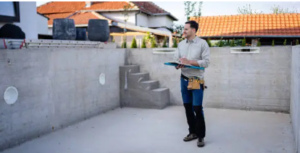 One of the most important factors in selecting a pool builder is their experience. The best pool builders have a proven track record of completed projects. Years of industry experience mean they have encountered and solved various construction challenges, making them well-equipped to handle any situation that arises. Look for builders who specialize in different pool designs, materials, and construction techniques to ensure they can bring your vision to life.
 One of the key reasons why a knock down rebuild is a smart choice is the potential for increased property value. By starting fresh with a new build, you have the opportunity to design a home that meets your exact specifications, features modern amenities, and utilises the latest materials and technologies. A new, well-designed home can command a higher price in the real estate market, especially in desirable locations where land value is on the rise.
 Property management involves overseeing residential or commercial properties on behalf of property owners. This role significantly includes a wide range of responsibilities, such as tenant screening, rent collection, property maintenance, and handling legal issues. The goal is to ensure the property is well-maintained, tenants are fully satisfied, and the property owner maximises their investment.
 The best reason to hire a custom home builder is that they can help you create a home that fits your needs. Custom home builders work closely with you to make a floor plan and design that fits your lifestyle, tastes, and needs. It is different from standard builders, who only offer a few templates and designs. Custom home builders can make your dreams come true, whether it’s a fancy kitchen, a bathroom that feels like a spa, or a large outdoor living area. They listen to your ideas, give you expert help, and turn your vision into a beautiful design that works well.
 Property management entails supervising and administering the daily operations of a real estate property on behalf of the owner. It encompasses numerous responsibilities, including tenant screening, rent collection, maintenance, and tenant complaint resolution. Through effective property management, the financial aspects of the investment are appropriately managed, tenants are satisfied, and the property is well-maintained.
 A pergola can transform your garden or patio into a stylish outdoor living area. However, building a pergola requires expertise in design, construction, and materials. A professional pergola builder in Adelaide, SA, has the skills and experience to ensure that your pergola not only meets your vision but is also built to last.
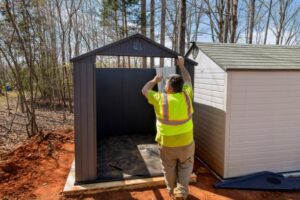 Commercial shed builders are not merely constructors; they are architects of space, engineers of efficiency, and artists of design. Their work goes beyond erecting structures; it involves accepting the unique needs and aspirations of businesses and interpreting them into tangible solutions that elevate productivity and enhance brand identity.
 Durst Organization is one of New York City’s most successful