Month: September 2025

banquette seating

Banquette Seating Adelaide The Benefits of Built-In Banquette Seating for Modern Interiors

In contemporary Adelaide homes, where space efficiency meets stylish design, homeowners are increasingly turning to built-in solutions that blend functionality with aesthetics. Among these solutions, built-in banquette seating has emerged as a popular choice, providing a seamless combination of comfort, storage, and visual appeal. This article explores the numerous advantages of incorporating built-in banquette seating in modern interiors and why it is a game-changer for Adelaide homeowners seeking to maximise both space and style.

Enhancing Space Efficiency in Compact Living Areas

One of the most compelling benefits of built-in banquette seating is its ability to optimise space in homes where every square meter counts. Adelaide’s modern apartments, townhouses, and smaller family homes often face limitations in terms of usable floor area. Traditional freestanding dining sets or sofas can crowd a room, reducing movement and visual flow.

Built-in banquettes, however, are tailored to fit specific dimensions, creating a streamlined seating solution that effectively utilises corners, alcoves, and awkward spaces. By integrating seating along walls or in dining nooks, homeowners can accommodate more people without sacrificing circulation or comfort. This thoughtful use of space makes banquette seating particularly ideal for open-plan kitchens, compact dining rooms, or multifunctional living areas where every inch matters.

Customisable Designs for Modern Aesthetics

Beyond practicality, built-in banquette seating allows for a high degree of customisation, making it an excellent choice for homeowners focused on modern interior aesthetics. Adelaide interiors often feature minimalist, Scandinavian, or contemporary designs, and built-in banquettes can be crafted to complement any style.

From upholstered cushions in neutral tones to sleek wooden finishes and integrated backrests, the design options are virtually limitless. Additionally, built-in banquettes can be paired with bespoke tables, floating shelves, or decorative lighting, creating a cohesive look that enhances the overall interior design. This versatility ensures that the seating not only serves a functional role but also contributes to the home’s visual appeal, becoming a stylish focal point in any room.

Maximising Storage Potential

Another key advantage of built-in banquette seating is its inherent storage capabilities. Unlike traditional seating that occupies floor space without offering additional functionality, built-in banquettes can be designed with drawers, lift-up seats, or concealed compartments. It is particularly valuable in Adelaide homes where storage is often at a premium.

For example, under-seat storage can house kitchen essentials, board games, linens, or seasonal items, reducing clutter and keeping living spaces tidy. By combining seating and storage in a single unit, homeowners can enjoy a cleaner, more organised environment without compromising comfort or design—this dual functionality positions built-in banquette seating as both a practical and aesthetic solution.

Promoting Comfortable and Social Dining Experiences

Built-in banquette seating also enhances the dining experience by encouraging comfort and social interaction. Unlike rigid chairs that may limit seating capacity or feel isolated, a continuous bench encourages closer interaction, making meals more convivial.

Families in Adelaide benefit from this feature, as it allows everyone to sit together comfortably, even in smaller dining areas. Additionally, banquettes can be designed with ergonomic backrests and padded seats, ensuring long-lasting comfort during meals or casual gatherings. The combination of cozy seating and social accessibility makes built-in banquettes a highly functional choice for modern households.

Seamless Integration with Open-Plan Living

Open-plan living is a hallmark of contemporary Adelaide homes, where kitchens, dining areas, and living rooms merge to create spacious, interconnected environments. In such layouts, built-in banquette seating provides a way to delineate functional zones without erecting physical barriers.

By placing a banquette along a wall or under a window, homeowners can naturally define dining or lounging areas while maintaining an open and airy feel. Additionally, the built-in design eliminates the bulk of freestanding furniture, preserving sightlines and contributing to a minimalist aesthetic. This integration enhances both the practicality and the elegance of open-plan interiors.

Conclusion:

Built-in banquette seating is more than just a seating option; it is a strategic design choice that maximises space, enhances aesthetics, and improves functionality in modern Adelaide homes. By offering customisable designs, integrated storage, comfort, and seamless integration with open-plan layouts, built-in banquettes address the practical and stylistic needs of contemporary living.

For homeowners seeking to combine efficiency, style, and long-term value, built-in banquette seating represents an innovative and enduring investment. Its versatility ensures it fits perfectly in various interior settings, from compact apartments to spacious family homes, making it an essential feature for modern Adelaide interiors.

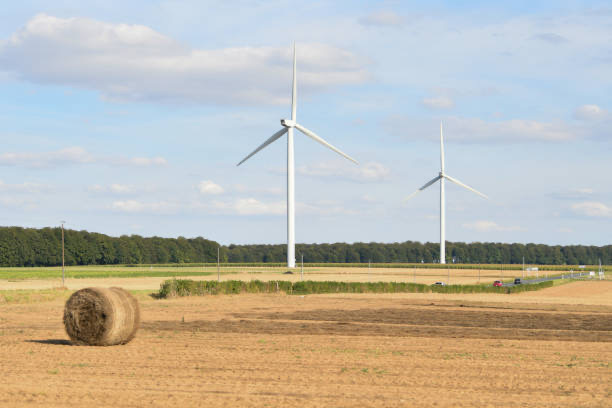
Bale Wrap

Bale Wrap: When to Wrap Bales for Maximum Preservation in Australia

Wrapping at the optimal moment can significantly enhance the nutritional value and shelf life of your forage, preventing spoilage and economic loss. Bale wrap Australia plays a crucial role in Australian agriculture, ensuring the preservation of high-quality feed by protecting silage and hay from the elements. However, the timing of wrapping bales is just as important as the quality of the wrap itself. This seasonal guide is designed to help Australian farmers and producers understand when to bale wrap for maximum preservation, taking into account the unique climate and farming cycles across the country.


Understanding Bale Wrap and Its Importance

Bale wrap is a stretchable plastic film that seals baled forage—such as hay or silage—protecting it from oxygen, moisture, and contaminants. Properly wrapped bales ferment anaerobically, preserving nutrients and preventing mould growth. In Australia’s diverse climate zones, timing your bale wrap application correctly ensures the forage remains in prime condition, ready to support livestock nutrition year-round.


The Australian Climate: A Key Factor in Bale Wrapping Timing

Australia’s vast geography means the ideal bale wrapping season varies across regions. From the temperate southern states like Victoria and Tasmania to the tropical north of Queensland and arid zones in Western Australia, moisture, temperature, and weather patterns influence when to wrap.


  • Southern and Southeastern Australia (Victoria, New South Wales, Tasmania): These areas experience distinct seasons with wet winters and dry summers.
  • Northern Australia (Queensland, Northern Territory): Tropical wet and dry seasons dominate, with heavy summer rains.
  • Western and Central Australia: Semi-arid to arid conditions with sporadic rainfall.


Understanding these regional differences helps farmers plan their bale wrap schedule for optimal preservation.


When to Wrap Bales in Southern Australia

In southern Australia, the main forage-growing season is spring and early summer. Farmers typically bale between late spring and early summer when pastures and crops reach peak nutritional value. Wrapping should ideally occur immediately after baling while the forage is still warm and moist. This timing ensures anaerobic fermentation begins quickly, locking in nutrients and preventing aerobic spoilage.


Key points:


  • Bale wrapping within 24 hours of baling is best.
  • Avoid wrapping too early if the moisture content is too high (above 60%), as it may lead to seepage.
  • Do not delay wrapping beyond 48 hours to minimise exposure to oxygen and rain damage.


In southern regions, late summer and early autumn often bring dry weather, which supports rapid drying when making dry hay. However, for silage, wrapping at the right moisture and timing remains essential to maintain quality.


Tropical and Northern Australia Bale Wrap Timing

The tropical north experiences a clear wet and dry season, which greatly impacts bale wrap strategies. Forage growth spikes in the wet season (November to April), but wet conditions make it tricky to bale and wrap immediately.


Farmers in these areas typically:


  • Bale towards the end of the wet season when grasses mature.
  • Aim to wrap bales quickly after baling during drier spells to avoid mould and spoilage.
  • Use bale wrap to protect bales from heavy monsoonal rains during the wet season.


Since moisture can be high, testing bale moisture before wrapping is crucial. Bale wrap effectively seals in moisture and encourages fermentation, but wrapping too wet can cause spoilage or seepage.


Western and Central Australia: Wrapping in Arid and Semi-Arid Zones

In arid and semi-arid regions, forage growth is more seasonal and often limited by rainfall, which tends to be sporadic and unpredictable. Bale wrapping here focuses on preserving high-value forage when it becomes available, usually after rains.


Farmers should:


  • Bale and wrap forage quickly after growth spurts, usually in late winter to spring.
  • Take advantage of dry weather windows to bale and wrap efficiently.
  • Store wrapped bales properly to avoid damage from intense sun and wind.


Bale wrap helps in preserving limited feed stocks during dry periods, essential for maintaining livestock condition when natural pastures are scarce.


Practical Tips for Maximising Bale Wrap Effectiveness


  1. Moisture Testing: Ideal bale moisture content for wrapping is generally between 40%-60% for silage. Too dry results in poor fermentation; too wet leads to seepage.
  2. Wrap Quickly: The faster bales are wrapped after baling, the better the preservation.
  3. Use Quality Bale Wrap: UV-resistant and high-stretch films provide superior sealing and durability.
  4. Store Wrapped Bales Properly: Keep bales off the ground and protect them from punctures and animals.
  5. Monitor Weather: Avoid wrapping during rain or high humidity.


Conclusion: Timing is Everything in Bale Wrap Success

Bale wrap is indispensable in Australian farming, but its success hinges on wrapping timing that suits local climate conditions. From southern temperate zones to tropical and arid regions, understanding when to bale wrap can significantly boost feed quality, reduce wastage, and improve farm profitability.


Farmers who adapt their bale wrapping practices seasonally—and act swiftly—ensure their bales are preserved at their nutritional peak, supporting healthier livestock and sustainable production year-round. In the ever-changing Australian climate, this knowledge is a powerful tool for agricultural success.

baler twine

Baler Twine Common Problems and Solutions in Australian Farming

In the diverse and challenging agricultural landscape of Australia, baler twine plays a vital role in securing hay, straw, and other crops into manageable bales. However, like any essential farm tool, baler twine can present occasional problems that disrupt workflow and reduce efficiency. For Australian farmers, understanding how to troubleshoot common baler twine issues is crucial to maintaining productivity during critical harvesting periods.

This article will explore the most frequent baler twine problems encountered on Australian farms, their causes, and practical solutions tailored to the unique environmental and operational conditions found Down Under.

Understanding the Role of Baler Twine in Australian Farming

Baler twine is a strong, lightweight synthetic cord used to bind agricultural materials tightly into bales. Australian farmers rely on baler twine not only for its durability but also for its ability to withstand harsh weather, such as high UV exposure, dry heat, and occasional heavy rains. Despite its robust design, problems can still arise—affecting bale integrity, machine operation, and ultimately, farm profitability.

Common Baler Twine Problems Faced by Australian Farmers

1. Twine Breakage During Baling

One of the most frustrating issues is twine snapping during baling, which halts operations and wastes time. Breakage is often caused by poor-quality twine, incorrect tension settings on the baler, or contamination from dirt or moisture. Australian conditions, such as dusty paddocks or damp morning dew, can exacerbate these problems.

Solution:

  • Use high-quality, UV-resistant baler twine designed specifically for Australian climates.
  • Regularly inspect and adjust the baler’s tension system to avoid excessive stress on the twine.
  • Keep twine storage dry and clean to prevent contamination. If moisture is an issue, consider moisture-proof twine varieties.

2. Twine Jamming and Feeding Issues

Twine jams inside the baler mechanism can cause costly delays. This problem typically results from improper threading, worn twine guides, or using twine that is too thick or too thin for the baler model.

Solution:

  • Follow the baler manufacturer’s threading instructions carefully.
  • Inspect twine guides and replace any worn or damaged parts to ensure smooth feeding.
  • Match twine thickness and strength to the baler specifications to avoid feeding problems.

3. Poor Bale Knot Security

Loose or improperly tied knots can lead to bales falling apart during handling or storage—a significant issue in Australia’s often remote farming areas, where manual bale repair is difficult.

Solution:

  • Use twine that offers reliable knot strength suited for your baler’s knotting mechanism.
  • Maintain the baler’s knotters and lubricate them regularly to ensure consistent knot formation.
  • Conduct regular bale inspections and re-tie any loose bales before storage.

Environmental Challenges Impacting Baler Twine Performance

Australia’s vast climate zones—from the tropical north to the temperate south—create distinct challenges for baler twine. High UV exposure in many regions can degrade twine quickly if it’s left exposed, reducing strength and flexibility. Moreover, coastal farms may face salt spray that affects twine durability.

Solution:

  • Store baler twine away from direct sunlight when not in use.
  • Opt for twine brands that guarantee UV resistance for prolonged outdoor exposure.
  • In coastal areas, rinse baler equipment regularly to remove salt residues that could interfere with twine performance.

Tips for Optimising Baler Twine Use on Australian Farms

  • Inventory Management: Purchase baler twine in quantities that allow quick turnover, avoiding long-term storage degradation.
  • Routine Equipment Checks: Preventive maintenance on balers—checking tension systems, twine guides, and knotters—minimises troubleshooting downtime.
  • Staff Training: Ensure operators are well-trained on correct threading techniques and baler adjustments tailored to local twine brands and conditions.
  • Twine Selection: Choose twine products certified for Australian farming environments, considering factors like UV resistance, tensile strength, and knot security.

Innovations and Trends in Australian Baler Twine

Recent advances have introduced biodegradable baler twine options and highly UV-stabilised polymers that promise improved sustainability and longevity. Australian farmers experimenting with these new materials report fewer breakages and reduced environmental impact, aligning with broader eco-friendly farming initiatives.

Conclusion: Proactive Troubleshooting for Efficient Australian Farming

Mastering baler twine troubleshooting is essential for Australian farmers to keep harvests moving smoothly and bales secure. By addressing common problems like twine breakage, jamming, and knot failures with informed strategies and high-quality materials, farmers can optimise productivity and protect their investment.

In a country where every moment in the field counts, a proactive approach to baler twine maintenance and usage helps ensure that bales withstand the rigours of handling, storage, and weather—keeping Australian farms thriving season after season.

If you’re facing ongoing baler twine issues on your farm, consider consulting with local agricultural suppliers or equipment specialists familiar with Australia’s unique farming conditions to find the best twine solutions tailored to your needs.

functional capacity assessment

Functional Capacity Assessment A Key Tool for Measuring Work Readiness

In today’s competitive work environment, employers and employees alike place great importance on ensuring that individuals are physically and mentally capable of performing their job roles. This is where Functional Capacity Assessment (FCA) becomes a crucial tool. In Adelaide, where industries such as healthcare, construction, transport, and manufacturing are vital to the economy, FCA provides an objective method to evaluate a worker’s ability to meet the demands of their role safely and effectively.

Understanding Functional Capacity Assessment

Functional Capacity Assessment is a structured evaluation that measures an individual’s physical and cognitive abilities in relation to specific job tasks. It assesses factors such as strength, flexibility, endurance, coordination, and even problem-solving skills, depending on the role in question. The goal is not only to determine whether a person can return to work after an injury or illness but also to identify their overall capacity to perform workplace tasks without risking further harm.

An FCA typically involves a series of practical tests and observations carried out by trained health professionals, such as occupational therapists or physiotherapists. These assessments provide valuable insights into what tasks an employee can safely undertake and which activities may require modification.

Why Functional Capacity Assessment Matters

In Adelaide, workplaces must comply with strict health and safety regulations to protect their workforce. An FCA plays a key role in helping both employers and employees make informed decisions about work readiness. For workers recovering from an injury, the assessment acts as a bridge between rehabilitation and safe reintegration into the workforce. For employers, it helps minimise risks of re-injury, ensures compliance with workplace health standards, and reduces compensation costs.

Some key benefits of Functional Capacity Assessment include:

  • Accurate work readiness evaluation – Provides objective data on an individual’s current abilities.
  • Return-to-work planning – Assists employers and rehabilitation providers in creating tailored return-to-work programs.
  • Injury prevention – Identifies potential risks and suggests reasonable adjustments to avoid aggravating existing conditions.
  • Legal and insurance support – Offers clear, evidence-based documentation that can be used in workers’ compensation and legal claims.

Functional Capacity Assessment in Adelaide

Adelaide has a diverse employment landscape, with a strong presence in manufacturing, healthcare, education, logistics, and construction. Many of these industries involve physically demanding roles, making Functional Capacity Assessment especially relevant. Employers in these sectors frequently rely on FCA reports to ensure their workers are capable of safely handling duties such as heavy lifting, repetitive movements, or long hours of physical activity.

Healthcare providers across Adelaide also use FCA to support rehabilitation programs. For example, an employee who sustained a back injury may undergo an assessment to measure mobility, lifting capacity, and endurance. The results guide both medical professionals and employers in adjusting work duties until the worker fully recovers. This approach benefits not only the individual but also the wider workplace, as it promotes safety and reduces downtime.

Supporting Employees and Employers

In Adelaide’s employment market, supporting both workers and organisations is essential for maintaining productivity and wellbeing. Functional Capacity Assessment achieves this balance by focusing on evidence-based outcomes. Workers gain reassurance about their readiness to return to their jobs, while employers receive reliable data to guide safe workplace practices.

Additionally, many rehabilitation and occupational health services in Adelaide provide tailored FCA programs designed to meet industry-specific needs. This means the assessment process is adaptable—whether it is applied to a construction worker returning after an injury, a healthcare professional experiencing fatigue, or an office employee recovering from repetitive strain injuries.

The Role of FCA in Rehabilitation and Recovery

One of the most important applications of Functional Capacity Assessment is in rehabilitation. For individuals recovering from illness or injury, FCA is not just about identifying limitations but also highlighting strengths. By pinpointing areas where the employee can perform effectively, FCA helps build confidence and accelerates the return-to-work process.

In Adelaide, rehabilitation providers often work closely with employers to design gradual return-to-work programs informed by FCA outcomes. For example, an injured worker might initially return with modified duties such as reduced lifting or limited hours, gradually building back to full capacity. This collaborative approach ensures a smoother recovery process and long-term sustainability in the workplace.

Conclusion

Functional Capacity Assessment is far more than a medical evaluation—it is a key tool for measuring work readiness, supporting rehabilitation, and ensuring safe workplace practices. In Adelaide, where industries demand both physical and cognitive resilience, FCA plays a vital role in protecting workers and enhancing productivity. Whether for employers seeking clarity on an employee’s capabilities or workers striving to return after injury, Functional Capacity Assessment provides the evidence-based framework needed to make informed, safe, and sustainable decisions.

Invisalign Adelaide

Invisalign Adelaide Which Works Best for Adults in Adelaide?

For many adults in Adelaide seeking a confident, straight smile, the decision between Invisalign Adelaide and traditional braces can be daunting. Both options offer effective solutions for teeth alignment, but the right choice depends on lifestyle, aesthetics, comfort, and treatment goals. With more adults prioritising discreet dental solutions, understanding the differences between these orthodontic approaches is essential before committing to a long-term treatment plan.

Aesthetic Appeal and Discretion

One of the most significant advantages of Invisalign for adult patients is its nearly invisible appearance. The clear aligners fit snugly over the teeth, making them practically unnoticeable in professional and social settings. This discreet quality appeals particularly to adults in Adelaide’s business districts and social hubs, where appearance plays a critical role in daily interactions.

Traditional braces, while highly effective, are more noticeable due to metal brackets and wires. For adults concerned about aesthetics or those in client-facing professions, braces may feel less appealing. However, modern ceramic braces offer a more subtle alternative, blending in with natural tooth colour while providing the stability of conventional orthodontics.

Comfort and Convenience

Comfort is another crucial factor that often sways adults toward Invisalign Adelaide. These clear aligners are smooth and custom-fitted, minimising irritation to the gums and cheeks—a common issue with metal braces. Additionally, Invisalign aligners are removable, allowing patients to eat, drink, and maintain oral hygiene without restrictions.

Traditional braces, in contrast, require adjustments and careful attention to oral care to prevent plaque buildup around brackets. While braces can handle complex alignment issues, the rigidity and permanence of the hardware may lead to discomfort after each tightening session, which can be inconvenient for busy Adelaide professionals.

Treatment Time and Predictability

Treatment duration can vary depending on the severity of misalignment. Invisalign Adelaide typically offers faster results for mild to moderate orthodontic issues, with aligners switched approximately every one to two weeks. Adults seeking a quicker, less invasive treatment often find this attractive.

Traditional braces excel in treating complex bite problems and severe crowding. While they may take longer, they provide consistent results for cases that require significant tooth movement. For Adelaide adults with intricate orthodontic needs, braces might be the more reliable choice despite the longer commitment.

Lifestyle Compatibility

Lifestyle considerations are central to adult orthodontic treatment decisions. Invisalign Adelaide’s removability offers unparalleled flexibility, especially for those who enjoy dining out, participating in sports, or attending frequent social events. Aligners can be taken out temporarily without interrupting the overall treatment plan, providing convenience that aligns with Adelaide’s active adult population.

Traditional braces, while fixed, do not require daily attention but demand caution with certain foods and oral habits. Avoiding sticky or hard foods is essential to prevent damage to the brackets or wires. For adults with demanding schedules, this can require extra planning and discipline.

Cost Considerations in Adelaide

When comparing Invisalign Adelaide and traditional braces, cost often plays a role in decision-making. Invisalign treatment can be slightly more expensive than conventional braces due to the technology and customisation involved. However, many Adelaide orthodontists offer flexible payment plans or packages, making the investment more accessible.

Traditional braces are generally more budget-friendly and widely covered by dental insurance plans. Adults weighing cost against convenience and aesthetics must consider their priorities to choose the solution that best fits both their dental goals and financial plans.

Accessibility and Expertise in Adelaide

Adelaide hosts a growing number of dental clinics specialising in adult orthodontics, with many offering Invisalign Adelaide as a premium option. Skilled orthodontists provide thorough consultations to determine suitability, ensuring adults achieve optimal results without compromising comfort or appearance.

Traditional braces remain widely available, with experienced practitioners capable of addressing complex cases. The key is selecting a clinic with a strong reputation and proven results in adult orthodontics, ensuring a seamless experience regardless of the treatment chosen.

Making the Right Choice

Choosing between Invisalign Adelaide and traditional braces ultimately depends on the individual’s priorities: discretion, comfort, complexity of alignment, and lifestyle. Adults with mild to moderate misalignment, a busy professional schedule, and a desire for a nearly invisible solution often benefit from Invisalign. Those with more severe orthodontic issues, budget constraints, or a preference for a tried-and-tested method may find traditional braces more suitable.

Consulting with a qualified Adelaide orthodontist is the best way to receive a personalised recommendation. A comprehensive evaluation considers dental history, treatment goals, and lifestyle factors, ensuring adults make an informed decision and achieve a confident, lasting smile.

Silage Film

Silage Film Best Practices for Applying Silage Film on Australian Farms

In Australia’s diverse agricultural landscape, the correct application of silage film is critical to preserving high-quality forage and maximising farm productivity. With the country’s unique climate variability—from humid subtropics to dry inland regions—farmers must adopt precise techniques to ensure their silage is effectively sealed against air and moisture. This article explores best practices tailored specifically for Australian farms, offering practical advice for maximising the performance of silage film and safeguarding feed reserves.

Understanding the Importance of Proper Silage Film Application

Silage film serves as the essential barrier that protects stored forage from oxygen and moisture infiltration, which can otherwise lead to spoilage, mould growth, and nutrient loss. Australian farmers face particular challenges, such as strong winds, intense sunlight, and fluctuating temperatures, that can affect film integrity. Proper application not only extends the shelf life of silage but also improves animal feed quality, ultimately impacting livestock health and farm profitability.

Choosing the Right Silage Film for Australian Conditions

The first step in best practices is selecting the appropriate silage film designed to withstand Australia’s environmental factors. UV-stabilised films are highly recommended because they resist degradation from prolonged sun exposure common in northern and western farming regions. Thicker films (typically 25-30 microns) offer improved durability against punctures and tears, which can be caused by rough terrain or sharp edges on bales.

Australian farms growing a variety of forage crops—such as ryegrass, sorghum, or maize—may also benefit from multilayer films that provide enhanced oxygen barriers. These films help maintain fermentation quality despite temperature swings typical of many parts of Australia.

Preparing the Silage Surface for Film Application

Before applying silage film, preparation of the silo or bale surface is vital to ensure proper adhesion and sealing. Australian farms often encounter dusty, dry conditions, so cleaning the surface of debris, dust, and moisture is necessary. Any dirt or moisture trapped beneath the film can cause uneven sealing, leading to air pockets and spoilage.

In pit silos or bunkers, ensure the silage surface is level and compacted firmly. Australian farmers are encouraged to minimise silage exposure to rain during filling, especially during the wet season in northern regions, by covering the material promptly with silage film.

Techniques for Applying Silage Film Effectively

The application process of silage film varies depending on whether it is used for bale wrapping or bunker sealing, but some universal principles apply:

  • Tension and Overlap: Maintaining appropriate tension while unrolling the film prevents wrinkles and loose sections that could trap air. Australian farmers should aim for a minimum of 150 mm overlap on bunker covers to ensure airtight sealing, considering the strong winds in many farming zones.
  • Use of Weights and Net Wraps: After laying the film, covering it with silage weights (such as sandbags or tires) or net wraps prevents wind damage and movement. In Australia’s wind-prone areas like the Murray-Darling Basin, this step is essential to prevent film displacement.
  • Multiple Layers: For optimal protection, applying two or more layers of silage film is advisable, especially in regions with higher rainfall or intense sunlight. This layering enhances oxygen barrier properties and extends storage life.

Handling and Storage of Silage Film Rolls on Farms

Proper handling and storage of silage film rolls are often overlooked but critical for preserving film quality. Australian farms should store rolls in cool, shaded areas away from direct sunlight and moisture to avoid premature aging. Extreme temperatures, common in many parts of Australia, can degrade the film’s elasticity and adhesive properties.

Handling the film carefully during application avoids tears and punctures. Using mechanical wrappers with controlled tension can help reduce human error and improve consistency.

Environmental and Economic Considerations

Sustainability is increasingly important in Australian agriculture. Selecting biodegradable or recyclable silage film options helps reduce plastic waste on farms. Some Australian suppliers now offer environmentally friendly silage film alternatives that degrade safely after use, aligning with national waste reduction goals.

Economically, investing in higher-quality silage film and proper application techniques reduces losses from spoiled silage, making it a cost-effective decision. Well-applied film minimises feed waste, which directly benefits the bottom line for Australian farmers.

Final Thoughts: Elevating Silage Management in Australia

Implementing best practices for silage film application on Australian farms ensures forage quality, reduces waste, and boosts animal productivity. Understanding the climatic challenges unique to the region and selecting appropriate film types, combined with meticulous surface preparation and application techniques, will help farmers get the most from their silage investments.

Australian farmers who prioritise these practices not only protect their feed reserves but also contribute to sustainable farm management. The right silage film application is a cornerstone of modern, resilient Australian agriculture.

construction companies Melbourne

Construction Companies Melbourne: Choosing the Right Partner for Residential and Commercial Projects

Melbourne, VIC, has emerged as one of Australia’s most dynamic urban hubs, boasting a skyline that blends historic charm with contemporary architecture. As the city continues to grow, both residential and commercial construction projects are increasing in scale and complexity. Selecting the right construction partner is critical to ensuring a project’s success, and with a plethora of options available, identifying the best construction companies Melbourne can be challenging. This guide explores key considerations, highlights top players, and provides practical advice for businesses and homeowners alike.


Why Choosing the Right Construction Company Matters

construction companies Melbourne

choosing the right partner for residential and commercial projects

Engaging the right construction company can make the difference between a smooth, timely project and one plagued by delays, budget overruns, or substandard work. Reputable construction companies in Melbourne offer not only technical expertise but also strong project management skills, regulatory compliance, and quality assurance practices. They can transform conceptual designs into functional, aesthetically pleasing structures while minimising risk.


For residential clients, partnering with experienced builders ensures homes are safe, energy-efficient, and built to last. Commercial clients benefit from companies that understand the intricacies of corporate environments, such as operational continuity during construction, compliance with occupational health standards, and sustainability certifications.


Key Qualities to Look for in Construction Companies Melbourne

When searching for a reliable construction company, several attributes are essential:


Proven Track Record: Review past projects to gauge the company’s experience, quality of work, and ability to meet deadlines. Companies with a strong portfolio in both residential and commercial projects demonstrate versatility and reliability.

Licensing and Accreditation: Ensure the company holds appropriate licenses and adheres to Australian building codes. Membership in professional bodies such as the Master Builders Association of Victoria adds credibility.

Project Management Expertise: A construction company that provides clear timelines, regular progress updates, and transparent budgeting fosters trust and accountability.

Innovative Solutions: Top construction companies in Melbourne often leverage modern technologies such as Building Information Modelling (BIM), sustainable materials, and modular construction to enhance efficiency and reduce costs.

Client References and Testimonials: Feedback from previous clients provides insight into the company’s communication style, professionalism, and responsiveness to challenges.


Leading Construction Companies in Melbourne

Several construction companies in Melbourne have established themselves as leaders through consistent quality and innovation. While the industry is diverse, a few standouts cater to a wide range of project types.

Hutchinson Builders

Hutchinson Builders is one of Australia’s largest privately-owned construction companies, known for both large-scale commercial projects and bespoke residential developments. Their commitment to safety, quality, and sustainability has earned them numerous industry awards. Hutchinson Builders’ ability to deliver complex projects on time and within budget makes them a trusted partner for both developers and individual homeowners.

Probuild

Probuild specialises in high-rise residential and commercial buildings, offering end-to-end construction services. They emphasise innovation, efficiency, and sustainability, often incorporating energy-saving technologies and environmentally friendly practices. Their portfolio includes landmark projects that define Melbourne’s modern skyline, making them a preferred choice for ambitious developments.

Multiplex

Multiplex is an internationally recognised construction company with a strong Melbourne presence. Renowned for delivering large-scale commercial and infrastructure projects, they focus on cutting-edge engineering and precision execution. Multiplex also emphasises stakeholder engagement, ensuring that projects align with community and client expectations.

Buildcorp

Buildcorp is a Melbourne-based construction company with a reputation for residential and mixed-use developments. Their personalised approach, attention to detail, and use of advanced construction methodologies have earned them recognition in the housing sector. Buildcorp excels in translating client visions into tangible, high-quality structures.

Hacer Group

Hacer Group is a versatile construction company catering to commercial, residential, and industrial sectors. Known for their reliability and professional service, they offer a complete range of solutions from design consultation to project completion. Their team focuses on creating functional, durable, and aesthetically appealing buildings.


Conclusion:

Melbourne’s vibrant construction industry offers a wealth of opportunities for both residential and commercial projects. However, success depends largely on selecting the right construction company. By evaluating track records, project management capabilities, and client satisfaction, individuals and businesses can identify reliable partners that deliver quality, efficiency, and innovation.


Top construction companies in Melbourne, VIC, such as Hutchinson Builders, Probuild, Multiplex, Buildcorp, and Hacer Group, exemplify excellence and professionalism. Whether building a dream home or a cutting-edge commercial complex, investing in the right construction partner ensures your project not only meets expectations but also sets a benchmark for quality in Melbourne’s ever-evolving landscape.

consumer mains

Consumer Mains: Why a Consumer Main Upgrade in Adelaide Is Key to Supporting Solar Power and Home EV Charging

As Adelaide homes continue to embrace cleaner, more innovative energy solutions, the demand for robust electrical infrastructure is rapidly increasing. The shift toward solar panel installations and the growing popularity of electric vehicles (EVs) are two significant trends that require households to rethink their existing electrical setups. A consumer mains upgrade is no longer a luxury or a future consideration—it’s an essential step in future-proofing homes in Adelaide for sustainable living and energy independence.


consumer mainsThis article explores why a consumer mains upgrade is vital, particularly for homeowners aiming to maximise the benefits of solar power systems and EV charging, while maintaining compliance, safety, and efficiency.

Understanding What a Consumer Mains Upgrade Involves

Before diving into the why, it’s crucial to understand the what. A consumer mains upgrade refers to replacing or improving the main electrical cables and switchboard that connect a property to the power grid. These components are responsible for delivering electricity from the street to your home’s distribution board.

Older homes in Adelaide—especially those built before the 1990s—often have outdated or undersized wiring that was designed to handle significantly lower energy loads. These systems were not built with high-capacity appliances, solar power backfeeding, or home EV charging in mind. It makes a consumer mains upgrade not just recommended but often necessary when installing modern energy systems.

The Rise of Solar Power in Adelaide Homes

South Australia is a national leader in solar energy adoption. With over 300 sunny days a year, Adelaide homeowners are uniquely positioned to take full advantage of photovoltaic (PV) solar systems. However, for solar systems—especially those 5kW and above—to operate efficiently and feed excess energy back into the grid, they require strong and stable electrical infrastructure.

A mains upgrade ensures your home can:

●      Support the increased current flow from solar generation.

●      Avoid voltage fluctuations and overload risks.

●      Meet SA Power Networks’ requirements for grid-connected solar systems.

Without a suitable upgrade, solar inverters may underperform or get rejected during installation due to non-compliance with electrical safety standards. For households investing thousands in solar infrastructure, an underpowered mains connection is a significant bottleneck to energy savings and ROI.

The Surge in Electric Vehicle Ownership

Adelaide’s EV market is accelerating, supported by state incentives, better models, and improved charging infrastructure. But home charging remains the most convenient and cost-effective way to power electric vehicles.

However, EV chargers—especially Level 2 wall-mounted chargers—draw significant current. Combined with an already active household load (air conditioning, induction cooktops, electric hot water, etc.), the system can easily become overloaded if not adequately equipped.

A consumer mains upgrade empowers your property to:

●      Safely support EV chargers up to 32 amps or more.

●      Prevent nuisance tripping or circuit overload.

●      Charge EVs faster and more efficiently during off-peak hours.

It becomes increasingly critical as households transition from one to multiple electric vehicles in the coming years.

Safety and Compliance Considerations

Electrical standards evolve to meet modern energy demands. Many older Adelaide homes still rely on 6mm² cables and ceramic fuses, which are not only insufficient for current loads but also pose serious fire and safety risks. A consumer mains upgrade typically involves:

●      Replacing outdated cables with 16mm² or 25mm² mains.

●      Upgrading switchboards with modern circuit breakers and safety switches.

●      Ensuring compliance with Australian Standard AS/NZS 3000.

This upgrade doesn’t just improve performance—it enhances safety for residents and future-proofs the property for new technologies. It also ensures your home meets the legal and technical requirements for future modifications or property sales.

Conclusion:

In an era of rapid energy transition, the foundations of your home’s electrical system matter more than ever. A consumer mains upgrade is the linchpin that connects your home to a cleaner, brighter future. Whether you’re installing solar panels, buying your first EV, or simply planning, ensuring your electrical infrastructure can handle the load is critical.

Adelaide is at the forefront of the renewable energy revolution, and local homeowners have a golden opportunity to lead by example. Don’t let outdated wiring hold you back. With the right upgrade, your home will be ready to power a sustainable lifestyle for years to come.

silage covers

Silage Covers: How Waterproof Silage Covers Are Enhancing Feed Preservation for Australian Farmers Amid Climate Extremes

As climate variability continues to challenge agricultural operations across Australia, farmers are increasingly turning to innovative methods to secure their productivity and protect valuable resources. Among these innovations, waterproof silage covers are proving to be a game-changer for feed preservation—especially in regions affected by erratic rainfall, rising temperatures, and prolonged droughts. By providing superior protection against moisture and oxygen infiltration, these covers are helping Australian farmers maintain the quality of silage, reduce waste, and ensure livestock receive consistent, high-quality feed year-round.


Rising Climate Pressures and the Need for Food Security

silage covers

Waterproof silage covers for feed preservation

In recent years, Australian farmers have been forced to adapt to increasingly severe climate extremes—from extended dry spells to sudden downpours and unpredictable temperature fluctuations. These conditions pose a direct threat to silage, a critical source of nutrition for cattle and sheep, particularly during off-seasons or droughts when pasture growth is limited.


Traditional silage storage methods, such as uncovered bunkers or inadequate plastic sheets, are no longer sufficient under these harsh environmental conditions. Rain infiltration can lead to spoilage, mould growth, and nutrient loss, while exposure to air can trigger aerobic deterioration. It is where waterproof silage covers are stepping in, offering a reliable and cost-effective solution to safeguard feed quality throughout the storage period.


What Makes Waterproof Silage Covers Essential?

Waterproof silage covers are typically multi-layered polyethylene or PVC films designed to resist water penetration while also blocking oxygen ingress. These advanced materials significantly enhance silage preservation in the following ways:


Moisture Barrier: Prevents rainwater from seeping into the silage stack, which would otherwise lead to fermentation disruptions, spoilage, and leachate formation.

Oxygen Exclusion: Maintains anaerobic conditions necessary for proper fermentation by creating a tight seal over the feed.

UV Protection: Prolongs the life of the cover itself and reduces heat buildup within the silage, preventing thermal damage and microbial instability.

By integrating these covers into their storage systems, Australian farmers can achieve better control over feed quality regardless of external conditions.


Economic and Nutritional Benefits for Australian Farms

One of the most compelling advantages of using waterproof silage covers is their direct impact on farm profitability and animal nutrition. Silage spoilage not only reduces the quantity of usable feed but also undermines its nutritional value. Losses from surface spoilage and leachate can reach up to 25% without proper protection.


With waterproof silage covers, farmers are reporting:


Up to 90% reduction in surface spoilage

Higher energy and protein retention in feed

Longer shelf-life of stored silage

Improved livestock health and productivity


In essence, waterproof silage covers transform what was once a vulnerable feed source into a dependable reserve that can support animals even during the harshest seasons.


Innovations in Cover Technology

Recent advancements in agricultural film technology have further boosted the performance of waterproof silage covers. Many now incorporate dual layers—an oxygen barrier film (often made from EVOH or polyamide) combined with a waterproof outer layer. These high-tech covers are thinner, stronger, and easier to apply than traditional plastics, reducing both labour and material costs.


Additionally, manufacturers are focusing on sustainability by developing recyclable and biodegradable options. It not only reduces environmental impact but also aligns with Australia’s broader push for eco-conscious farming practices.


Regional Applications and Case Studies

Farmers across New South Wales, Victoria, and South Australia are increasingly adopting waterproof silage covers as part of their climate resilience strategies. In drought-prone areas such as the Riverina or Mallee, where every bale of silage is a precious asset, the use of quality covers has become standard practice.


For example, a beef producer in Gippsland reported a 20% increase in feed utilisation after switching to oxygen-barrier, waterproof silage covers—enabling him to maintain herd size through an arid summer without resorting to expensive feed imports.


Conclusion:

The growing adoption of waterproof silage covers in Australia signals a pivotal shift in how farmers approach feed preservation amid climate uncertainty. By effectively shielding silage from the twin threats of moisture and oxygen, these covers are helping producers mitigate risks, reduce waste, and deliver consistent nutrition to their herds.


As innovation continues and more farmers experience the tangible benefits, waterproof silage covers will remain a vital tool in Australia’s agricultural resilience strategy—ensuring that livestock have access to high-quality feed no matter what the climate delivers.