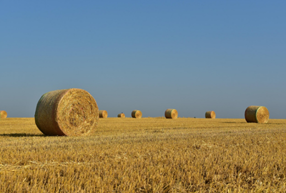
Net Replacement film’ Reducing Paddock Waste in Australian Film-on-Film Baling
Australian hay and forage producers know that baling efficiency is about more than getting the crop into a bale. Every roll of wrapping material must perform reliably in demanding paddock conditions, while waste from damaged or poorly applied materials can add unnecessary handling, cost, and cleanup. Net replacement film offers an alternative for producers using modern film-on-film baling systems, combining the crop-coverage benefits of film with a high-tack surface designed to improve bale integrity.
For Australian growers dealing with intense sunlight, variable weather and long harvesting days, choosing the right wrapping material can make a practical difference to daily baling operations.
What Is Net Replacement Film?
Net replacement film replaces conventional net wrap in compatible baling applications. Rather than relying on a separate net layer, the film is applied around the bale to help hold the forage together while contributing to the bale’s overall plastic coverage.
The high-tack surface is particularly important. As the film layers overlap, adhesion helps maintain a secure outer layer and can support consistent bale formation when the material is correctly matched to the baler and crop.
Why Film-on-Film Baling Matters
Film-on-film baling technology uses stretch film in the baling and wrapping process. This can simplify the wrapping system by reducing reliance on separate netting and creating a bale that is already enclosed in film when it leaves the baler.
For producers considering the switch, potential operational advantages include:
● Less dependence on separate net wrap rolls
● A streamlined wrapping process
● Film coverage that can support subsequent bale wrapping
● Reduced loose wrapping material in the paddock when handling is properly managed
● Compatibility with modern balers designed for film-on-film applications
Equipment compatibility remains essential. Producers should always check their baler’s specifications and the film manufacturer’s application recommendations before changing wrapping systems.
Built for Australian Paddock Conditions
Australian harvesting conditions can vary significantly between regions. A contractor working through dry inland paddocks may face different challenges from a hay producer in Victoria, New South Wales, Queensland or Western Australia.
Sun exposure, dust, crop type, bale density and handling practices can all influence wrapping performance. Net replacement film must maintain reliable application during long baling runs, and its tack and stretch characteristics should suit the machine settings and bale dimensions.
A good wrapping material should also be handled correctly from storage through to application. Keeping rolls protected from unnecessary heat, moisture and physical damage helps preserve their performance before they reach the baler.
Reducing Waste Beyond the Baler
Paddock waste is not limited to lost forage. Pieces of damaged wrapping material, discarded netting and poorly applied film can create additional cleanup work and contribute to plastic waste.
Using net replacement film in a suitable film-on-film system can simplify baling materials. However, waste reduction ultimately depends on correct machine setup, careful handling and responsible disposal or recycling practices available in the producer’s area.
Getting Better Results From Film
Before adopting a new wrapping system, consider:
1. Baler compatibility: Confirm the machine is designed for film-on-film operation.
2. Film specifications: Match the film’s width, thickness and performance characteristics to the baler.
3. Machine settings: Follow the manufacturer’s guidance for tension, overlap, and application.
4. Storage: Protect unused rolls from conditions that could damage the material.
5. Waste management: Keep used film contained and investigate suitable options for recycling agricultural plastics.
A Practical Choice for Modern Baling
For Australian producers looking to improve wrapping efficiency, net replacement film can provide a practical alternative to conventional netting when used with compatible equipment. Its high-tack construction and role in film-on-film baling technology make it worth considering for operations focused on consistent bale formation and reduced paddock waste.
The right material, machine setup and handling practices work together. Speak with a reputable agricultural film supplier to determine whether net replacement film suits your baler, crop, and operating conditions.
Conclusion
Net replacement film can help Australian hay and forage producers simplify their wrapping process while supporting efficient film-on-film baling. By selecting compatible film, maintaining correct machine settings and managing used agricultural plastics responsibly, producers can work towards cleaner, more efficient paddock operations.
—
Frequently Asked Questions
1. What is net replacement film?
Net replacement film is a baling film designed for compatible systems that use film instead of conventional net wrap to secure and contain forage bales.
2. What is film-on-film baling technology?
Film-on-film baling technology integrates film into the baling process, reducing the need for a separate net-wrapping stage in compatible balers.
3. Can net replacement film work with any baler?
No. Compatibility depends on the baler’s design and operating specifications. Always consult the equipment and film manufacturers before making a change.
4. Can net replacement film reduce paddock waste?
It can help reduce waste associated with separate netting when applied correctly, although overall waste levels also depend on machine setup, handling, and disposal practices.
5. Why is high tack important in baling film?
High tack helps the film layers adhere to one another, supporting secure wrapping and consistent bale coverage when used according to the manufacturer’s recommendations.